
“In the end, it’s not what happens to us that matters most; it’s what we choose to do with it.” Edith Eger
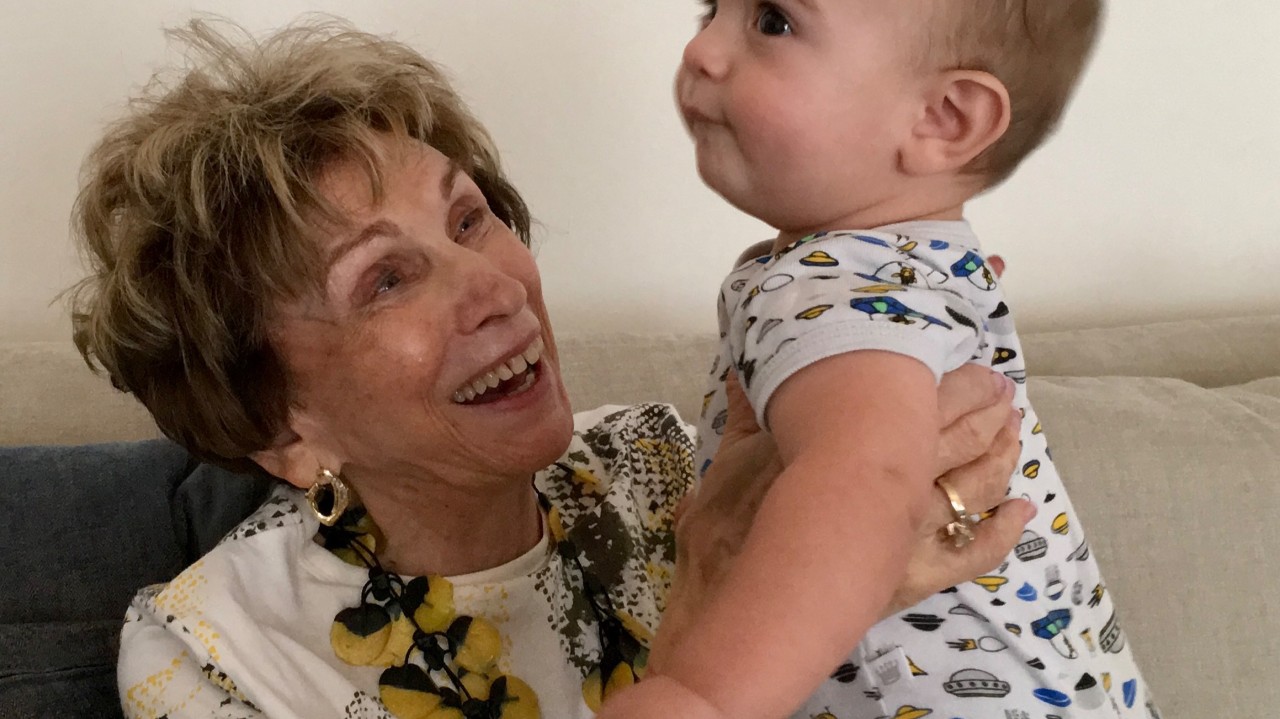
We lost a great friend this week.
Dr. Edith Eger lived a vibrant life as a humanitarian dedicated to improving the lives of others through deep listening and by reflecting back the goodness she saw in people. She left a piece of herself in every person fortunate enough to know her.
I met Edie when she traveled to Fredericksburg, Texas, to speak to students in our small town. As a survivor of the Auschwitz death camp, she could have spoken at length about the horrors of Adolf Hitler’s Nazi regime—how it stole her childhood at age 17, ended her dream of becoming an Olympic gymnast and ballet dancer in Budapest, and how Josef Mengele forced her to dance privately for him.
That could have been the story we remembered most. She could have chosen that narrative. But she chose a different path.
Edie’s message—shared every time she spoke and throughout her three award-winning books, The Choice, The Gift, and The Ballerina of Auschwitz—was about the power of choice.
She was deeply influenced by her friend and mentor, Viktor Frankl, who wrote in Man’s Search for Meaning that the last of the human freedoms is the ability to choose one’s response in any situation.
Edie wrote in The Choice:
“You can’t change what happened. You can’t change what you did or what was done to you. But you can choose how you live now. My precious, you can choose to be free.”
When our family visited Edie at her home in La Jolla in 2018, she told us:
“I discovered in Auschwitz that I would survive not by fighting for my life, but by dancing for it.”
She believed we all face that same choice—to fight and resist in the face of hardship, or—to dance.
Her message inspires us to summon strength, determination, resilience, and grit—to create a world where love is stronger than hate and where we choose to dance instead of fight.
As she held our seven-month-old grandson, Milo, she said:
“This is my revenge against Hitler—every time a Jewish child is born.”
Edie leaves behind three children, five grandchildren, and seven great-grandchildren.
I picked Edie up at Dallas Love Field when she came to speak to our university team in 2014. I asked her how long she wanted to speak.
She smiled and said:
“Use me up. That’s how I wish to live my life.”
When she died Monday at age 98, she got her wish.